
Why Precision Machining Matters in Industrial Components
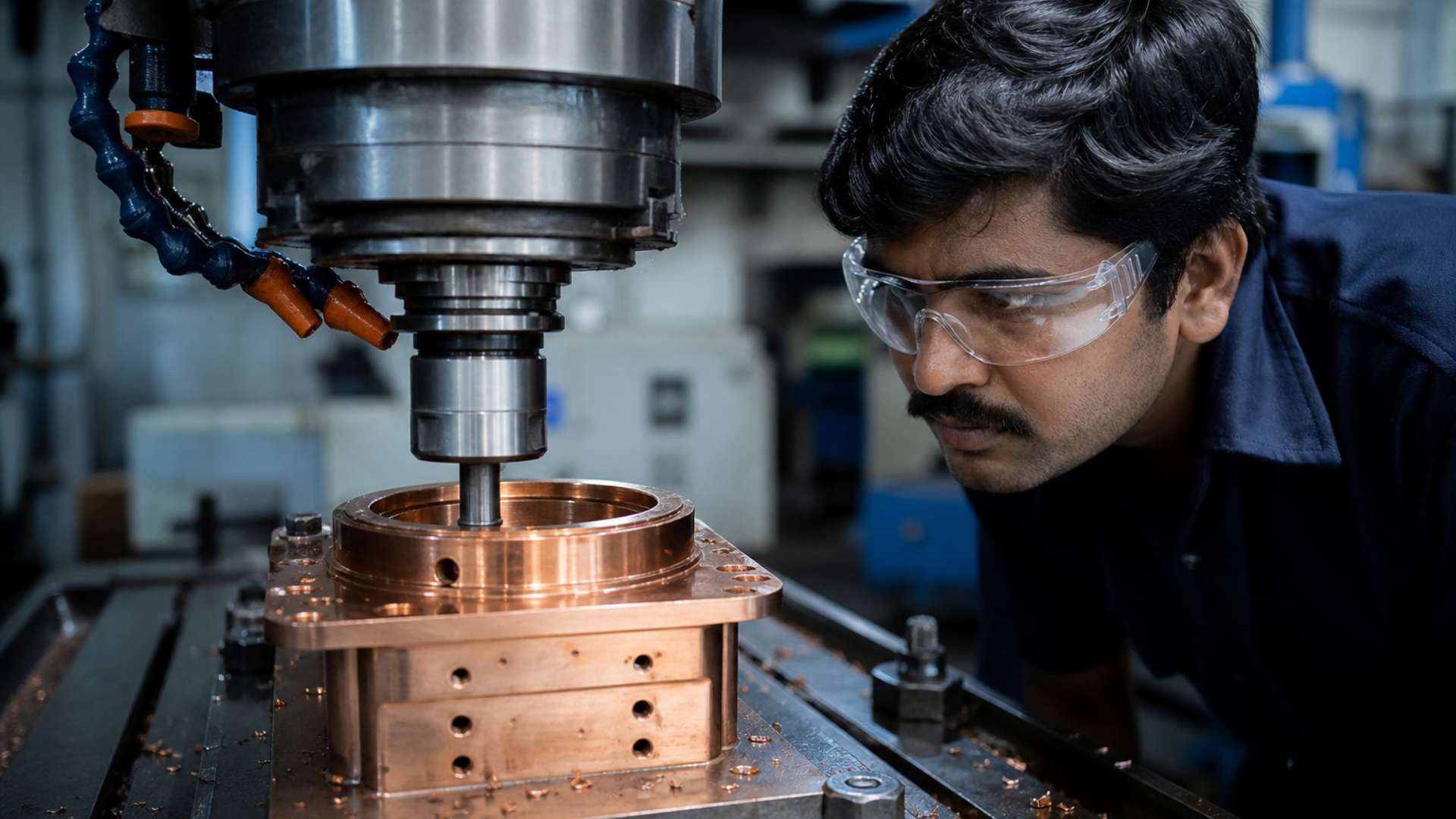
Precision machining has become an essential part of modern manufacturing industries. Whether it is valve systems, heavy engineering equipment, automotive components, or industrial machinery, accurately machined parts are critical for smooth operation, reliability, and long-term performance.
Industrial components are often required to operate under high pressure, extreme temperatures, and continuous mechanical stress. Even minor dimensional inaccuracies can affect the performance of machinery, increase wear and tear, and lead to costly breakdowns. Precision machining ensures that every component is manufactured according to exact specifications and quality standards.
One of the main benefits of precision machining is dimensional accuracy. Components such as valve bodies, bushes, sleeves, worm gears, and bearing systems require tight tolerances to function correctly. Precision machining allows manufacturers to achieve consistent measurements and smooth surface finishes, reducing friction and improving operational efficiency.
In industries like valve manufacturing, precision is extremely important. Valve components must fit perfectly to ensure proper sealing and prevent leakage. High-quality machining improves the reliability and performance of industrial valves, especially in applications involving pressure control and fluid management.
Precision machining also improves product durability. Smoothly finished components experience less wear during operation, which extends their service life and reduces maintenance costs. This is particularly important in heavy engineering and automotive industries where machinery operates continuously for long periods.
Modern machining technologies such as CNC machining have transformed manufacturing processes. Computer-controlled systems allow manufacturers to produce complex shapes and detailed designs with high consistency and repeatability. This technology helps reduce human error and ensures every component meets customer requirements.
Another advantage of precision machining is improved productivity. Accurate machining minimizes assembly issues, reduces rework, and shortens production timelines. Customers receive fully machined components ready for installation, helping industries improve operational efficiency and reduce downtime.
Material quality also plays an important role in machining performance. Copper alloys such as bronze, gun metal, and manganese bronze are widely used because of their excellent machinability, strength, and wear resistance. These materials allow manufacturers to create durable and reliable industrial components suitable for demanding environments.
Strict quality inspection is another essential part of precision manufacturing. Reputable manufacturers follow international standards and conduct detailed quality checks throughout production. This ensures consistency, reliability, and customer satisfaction.
As industries continue to adopt advanced technologies and automation systems, the demand for precision-engineered components is increasing rapidly. Companies that invest in modern machining equipment and skilled manufacturing processes are better equipped to meet global quality standards and customer expectations.
Precision machining is no longer just an advantage—it has become a necessity for industries seeking reliability, efficiency, and long-term performance. High-quality machined components help businesses reduce operational risks and improve overall productivity.