
How Quality Standards Improve Industrial Manufacturing
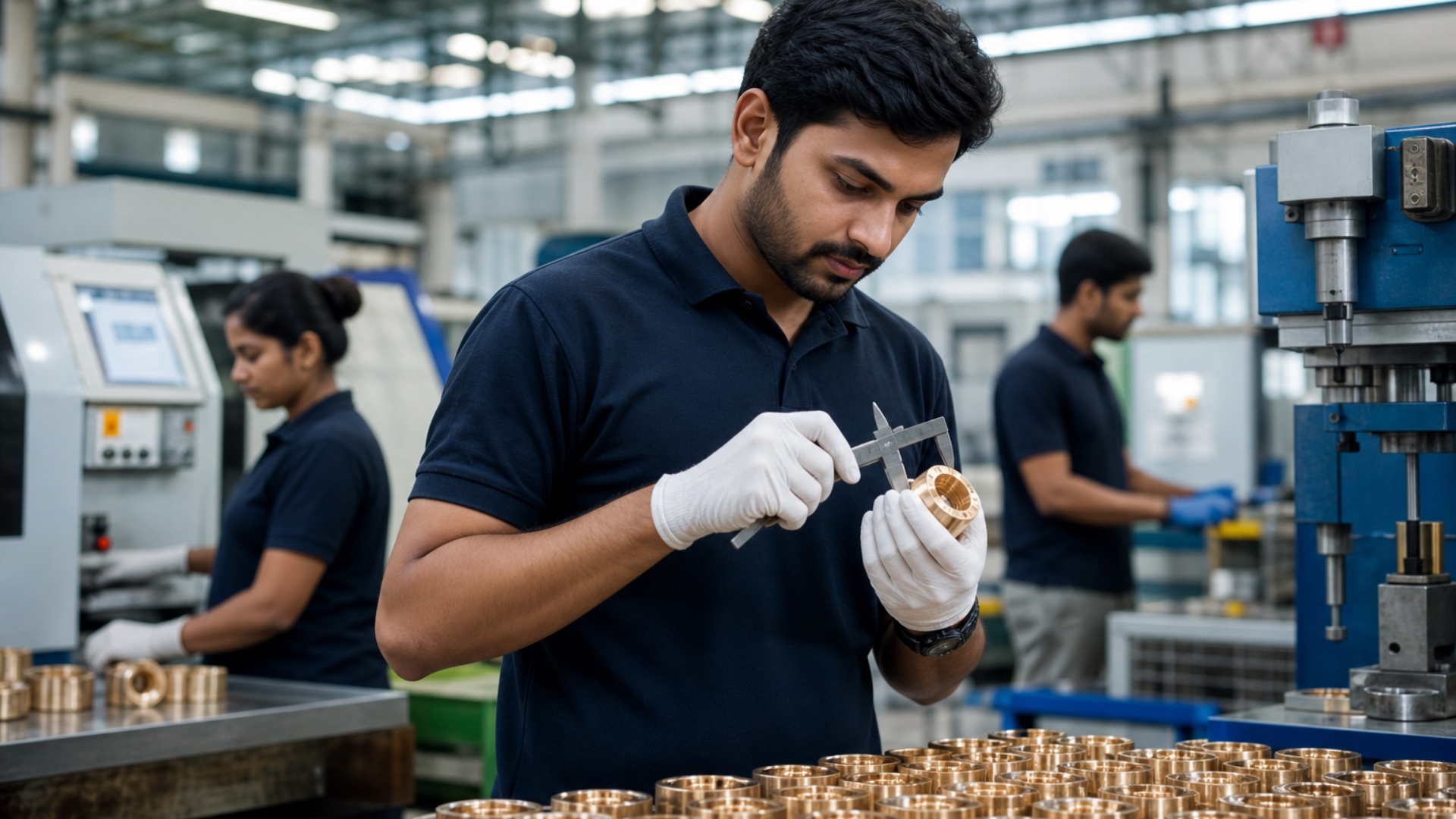
Quality standards are one of the most important foundations of successful industrial manufacturing. In industries such as valve manufacturing, automotive production, and heavy engineering, maintaining consistent product quality is essential for safety, reliability, and operational efficiency.
Industrial components often operate in demanding environments involving pressure, heat, friction, and continuous usage. Poor-quality materials or manufacturing defects can lead to equipment failure, costly repairs, and production downtime. This is why manufacturers follow strict quality standards to ensure every product performs reliably.
International standards such as ASTM, BS, EN, and PED help manufacturers maintain consistency in materials, dimensions, mechanical properties, and production processes. These standards provide clear guidelines that ensure products meet global industry requirements.
One of the biggest advantages of quality standards is improved customer confidence. When customers know a manufacturer follows recognized certifications and inspection procedures, they trust the reliability and performance of the products. Certifications such as ISO 9001:2015 demonstrate a company’s commitment to quality management and continuous improvement.
Quality control begins with material selection. High-grade copper alloys such as bronze, gun metal, and manganese bronze are carefully chosen based on the application requirements. Each material offers specific benefits including corrosion resistance, strength, durability, and wear resistance.
Manufacturing processes also play a critical role in maintaining quality. Advanced melting techniques, precision machining, and controlled production environments help reduce defects and ensure consistent performance. Skilled engineers and technicians monitor each stage of production to maintain strict quality standards.
Inspection and testing are essential parts of industrial manufacturing. Components undergo dimensional checks, surface inspections, and material verification to ensure they meet customer specifications. Manufacturers aiming for zero rejection at the customer end implement detailed quality assurance procedures throughout production.
Quality standards also improve operational efficiency. High-quality components reduce maintenance requirements, minimize breakdowns, and increase equipment lifespan. This helps industries save costs and improve productivity over time.
In competitive industrial markets, companies that focus on quality gain long-term advantages. Reliable products strengthen customer relationships and improve brand reputation. Manufacturers with strong quality systems are more likely to secure global business opportunities and long-term partnerships.
Technology is further improving quality management in manufacturing industries. Advanced inspection equipment, automation systems, and digital monitoring tools allow manufacturers to detect issues quickly and maintain consistent production standards.
As industries continue to grow and modernize, quality standards will remain essential for manufacturing success. Companies committed to precision engineering, quality assurance, and continuous improvement will continue to lead the future of industrial manufacturing.