
The Importance of Copper Alloy Castings in Modern Industries
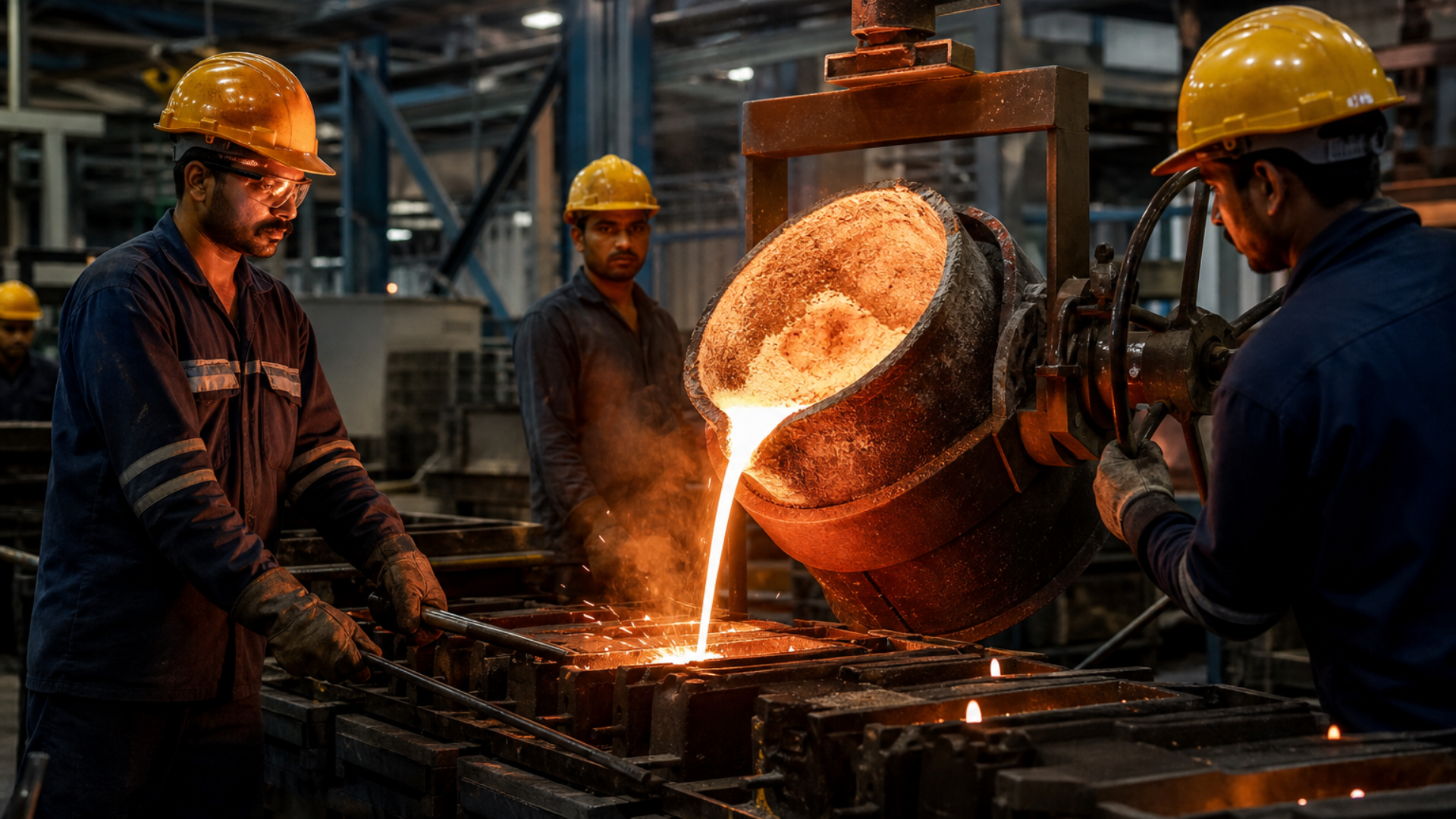
Copper alloy castings play a vital role in today’s industrial world. From heavy engineering and automotive systems to valve manufacturing and industrial machinery, these components are widely used because of their strength, corrosion resistance, durability, and excellent mechanical properties. Industries that demand precision and long-lasting performance rely heavily on copper alloy castings for efficient operations.
One of the biggest advantages of copper alloys is their exceptional resistance to corrosion. Industrial environments often expose components to moisture, chemicals, pressure, and extreme temperatures. Materials such as bronze, gun metal, and manganese bronze are highly effective in such conditions, making them ideal for valves, pumps, marine equipment, and engineering applications. Their ability to resist wear and corrosion significantly increases the lifespan of machinery and reduces maintenance costs.
Another important benefit of copper alloy castings is their excellent machinability. Manufacturers can produce highly precise and complex components that meet exact customer specifications. Industries such as automotive and heavy engineering require precision parts that can maintain dimensional accuracy under demanding operating conditions. Copper alloys make it easier to manufacture these components while maintaining superior quality standards.
The valve industry is one of the largest users of copper alloy castings. Valve components such as bodies, discs, stem nuts, sleeves, and adaptors require strong materials capable of handling pressure and continuous operation. Copper alloys provide excellent sealing performance, durability, and smooth functioning, making them a preferred choice for industrial valves.
In heavy engineering applications, copper alloy castings are used in bushes, bearings, gears, and actuator systems. These components must withstand high loads, friction, and continuous movement. Copper alloys offer excellent wear resistance and strength, ensuring reliable performance even in challenging industrial environments.
The automotive sector also benefits from copper alloy components because of their durability and thermal conductivity. Many automotive systems require materials that can operate efficiently under high temperatures and pressure conditions. Copper alloys provide the required stability and performance, making them suitable for various mechanical applications.
Modern manufacturing companies follow international standards such as ASTM, BS, EN, and PED to ensure product quality and reliability. Precision manufacturing and strict quality control processes help industries receive components that meet global standards and customer expectations. Companies with ISO certifications further demonstrate their commitment to quality and continuous improvement.
Another growing trend in the industry is the demand for fully machined components. Customers increasingly prefer ready-to-use products that reduce additional machining time and improve operational efficiency. Advanced manufacturers now provide precision-machined castings tailored to customer specifications, ensuring faster installation and reduced production delays.
Sustainability is also becoming an important factor in manufacturing. Copper alloys are recyclable and environmentally friendly compared to many other industrial materials. This makes them a sustainable choice for industries looking to reduce waste and improve resource efficiency.
As industries continue to evolve, the demand for durable and high-performance materials will continue to rise. Copper alloy castings remain one of the most reliable solutions for industrial manufacturing because of their strength, corrosion resistance, and precision engineering capabilities.
Companies that invest in advanced manufacturing technology, skilled workmanship, and strict quality standards are able to deliver superior products that support industrial growth and operational efficiency. Copper alloy castings will continue to be a key component in modern engineering and manufacturing for years to come.